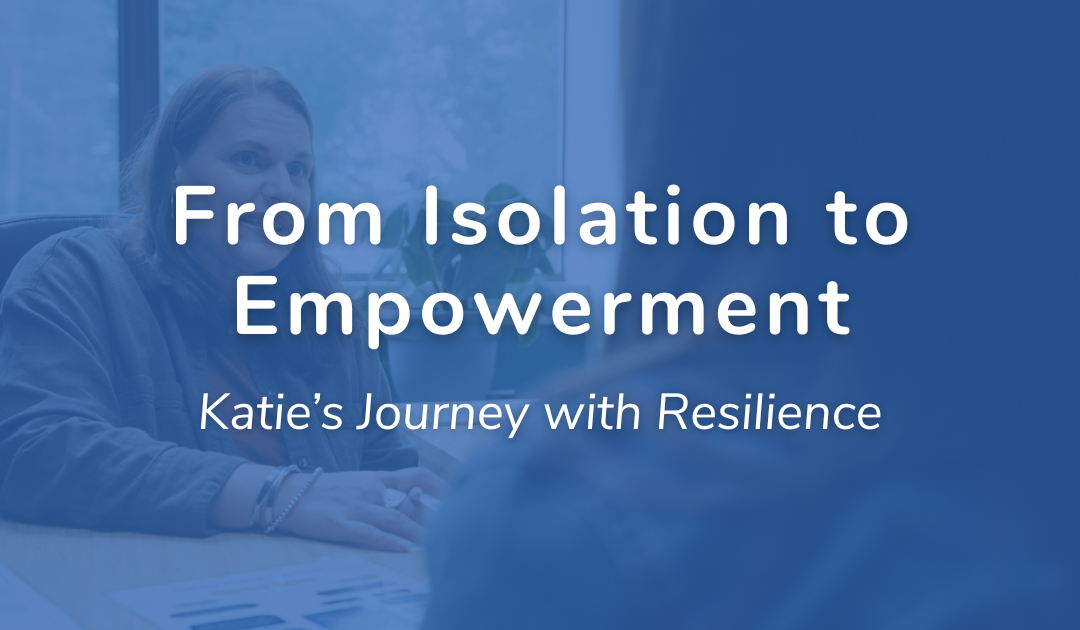
From Isolation to Empowerment: Katie’s Journey
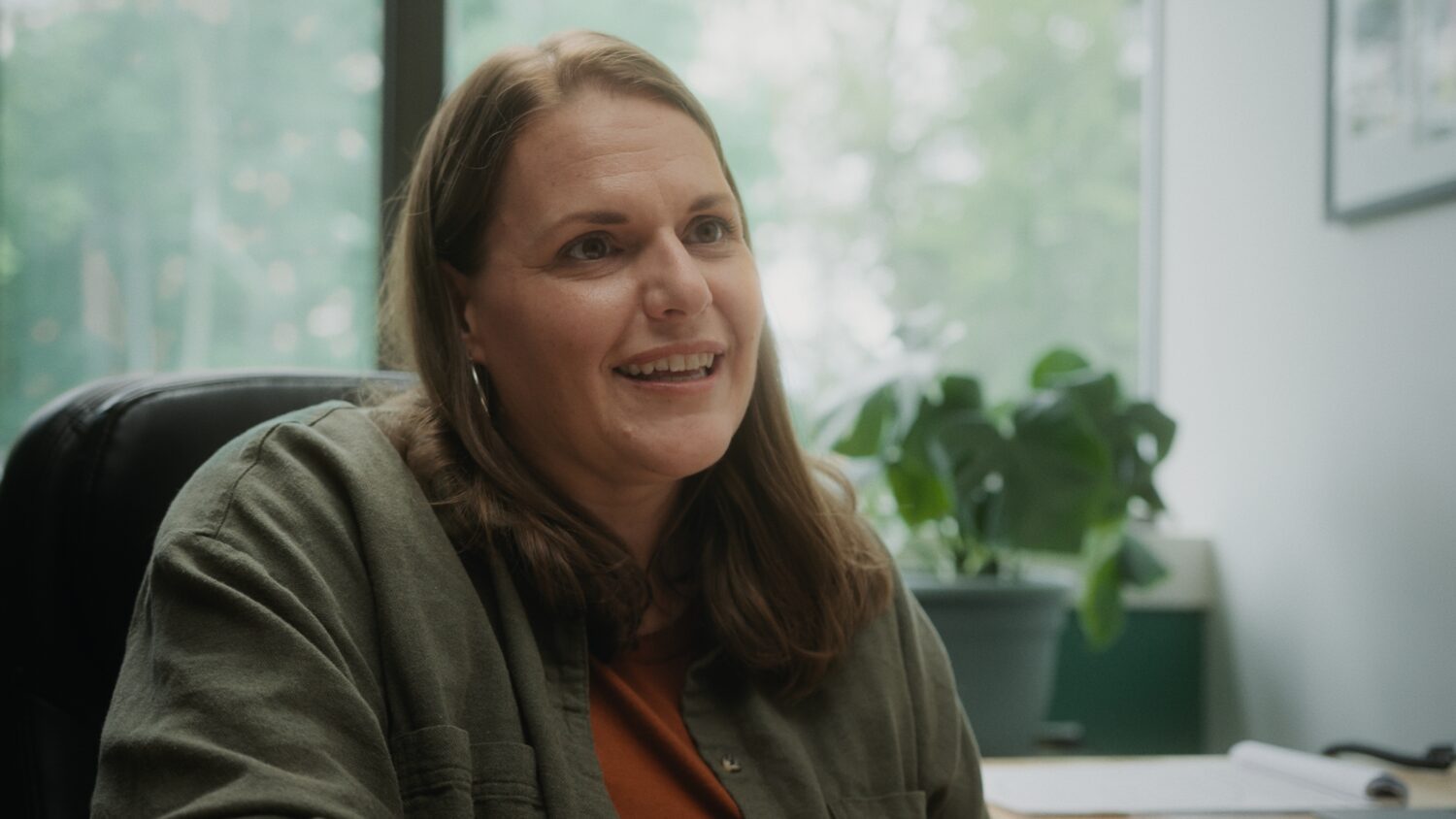
Katie’s story is one of resilience, transformation, and the power of community. Once a survivor navigating the challenges of an abusive relationship, she found support, guidance, and a safe space at Resilience. Today, she serves on our staff as a Survivor Advocate, providing the same compassionate, confidential services that she once received.
Through this Q&A, Katie shares how her own experiences shaped her approach to advocacy, the lessons she’s learned about strength and self-compassion, and why helping others navigate their journey has become both her purpose and her passion. From breaking isolation to fostering empowerment, her insights showcase the difference a dedicated advocate can make in someone’s life—and how lived experience can become a source of healing for both the survivor and the community.
Personal Journey & Discovery
Q: Can you share what inspired you to become involved in advocacy work after your own experiences?
A: I earned my Bachelor’s in Social Work from GVSU and worked as a caseworker before my own experience brought me to Resilience. I was part of the Survivor Advisory Council from the very first meeting, and I felt empowered by what I learned as a client here. I completed advocacy services, 2.5 years of trauma therapy, and all levels of the support groups we used to offer. When I heard a friend share her own sexual assault experience and blame herself, it became clear that I was ready to help others. I could give her language for what happened, tell her it wasn’t okay, and go with her to Resilience for services. That moment helped me see I could tie my lived experience to advocacy and step back into the work professionally.
Q: What personal strengths or qualities have you discovered in yourself through your journey?
A: This journey showed me the true meaning of resilience, and I was part of the group that helped choose our organization’s name. I’ve always had unconditional positive regard for others, even as a peer leader in high school, and I’ve learned how powerful it is to hold space with compassion and curiosity. I’m determined to show up with kindness no matter how someone is presenting. I didn’t know my master’s degree would be my lived experience, but it shaped how I connect with survivors now.
Q: How did having space to talk, process your next steps, and access resources help you move forward?
A: Living in domestic violence is incredibly isolating, and I had lost friendships and family connections because of my abuser’s actions. Having a space that was just for me—where I didn’t have to cater to someone else’s demands—was life‑changing. My advocate helped me break down pages of overwhelming to‑do lists into manageable steps and reminded me to do something kind for myself. Advocacy is creative problem‑solving, and I learned to identify my strengths, build support, and reach out to others without shame.
Finding Hope & Support
Q: How did finding support and services at Resilience change your perspective or help you feel hopeful?
A: I needed one person I could tell the worst parts to—someone who could give education that matched my experience and help me see the larger patterns of power and control. That validation helped break through the isolation and self‑blame I had been carrying.
Q: Can you describe how advocacy services made a difference for you?
A: My advocate helped me organize my jumbled thoughts into a workable plan when everything felt overwhelming. Because of financial abuse, I had broken-down transportation, suspended plates, and no access to money, and client assistance funds helped me repair my car and get legal documents in order. Safety planning helped me prepare ahead of time, pack what I could, and create an emergency checklist. I also received clothing, hygiene items, showers, therapy, support groups, and legal advocacy—things that restored dignity when I needed it most.
Q: How do free and confidential advocacy services help someone move from feeling stuck to finding a way forward?
A: Free means you don’t have to involve insurance, and confidential means you can speak without fear of it getting back to an employer, family member, or abuser. At a time when everything in my life was changing, this was the one space that was truly for me.
Q: What advice would you give to someone who might be struggling but isn’t sure where to turn?
A: Advocates aren’t in the advice‑giving business—we empower survivors to find their voice and name what they want to be different. If someone is struggling, I encourage them to find someone impartial to talk to. It can be devastating to open up to a friend or family member and hear judgment or questions like “Why didn’t you leave?” An impartial sounding board doesn’t say “should” or “why”; they listen and help you explore what you want to happen and what feels possible.
Advocacy & Helping Others
Q: What does advocacy mean to you as a survivor, and why is it powerful?
A: Advocacy is support, non‑judgment, listening more than speaking, and helping someone clarify and act on their goals. It’s a privilege to hold space for someone who is asking for help, especially when you understand what that moment feels like. I don’t share my story unless asked, but I can relate, and sometimes that connection helps someone feel less alone.
Q: Can you share a moment when you realized your experience could help someone else?
A: A friend once confided in me about her sexual assault and blamed herself because she had agreed to give someone a ride. By then I was connected to Resilience, and I could help her label what happened, tell her it wasn’t okay, and go with her to make a police report and get advocacy. That moment showed me my experience could be used to support—not overshadow—someone else’s healing.
Q: Can you share a positive memory or success story from your work with survivors?
A: Success is when a client feels empowered enough to no longer need services but knows we’re still here if something comes up. I’ve seen a mom and child feel safer after a PPO was in place, and I’ve seen clients recognize unhealthy patterns sooner in new relationships and reach out for validation. Consistency and tools make a difference, and staying present in the community matters.
Reflection & Inspiration for the Future
Q: How do you stay inspired and motivated to support others?
A: I’m motivated to give others what was given to me—to meet their struggles with compassion and understanding. I’ve learned strong coping skills here, and I have a life with purpose and meaning that keeps me going. Our team debriefs regularly, checks in about secondary trauma, and encourages time off, which helps us stay grounded and supported.
Q: Looking ahead, what do you hope your advocacy can achieve for survivors?
A: Some programs that helped me when I was preparing to leave my abuser aren’t running anymore, especially after COVID. I’m a constant voice on my team asking how we can make our programs more survivor‑focused and create more opportunities for survivors to connect with each other. I hope to keep building community partnerships and expanding spaces where survivors feel supported and less alone.
Want to support Resilience’s advocacy services?
Consider making a gift today that brings safety, hope, and healing for survivors in our community: www.ResilienceMI.org/Donate
